


en
en v
Phone
Cart0 Tickets
Total: 0
Account
Calendar
Search
Menu
X

Partenope

VenueTeatro Malibran
CalendarThu 02 Sep 2027 - Sun 12 Sep 2027
Synopsis/Details

Synopsis

Scene: Naples, in antiquity


Act 1

In the first scene we see Queen Partenope, founder of Naples, in her throne room adorned with a statue of Apollo, entertaining her guests, among them handsome and dashing Prince Arsace of Corinth, suitor for her hand, and the rather shy and lacking in confidence Prince Armindo of Rhodes, who is also in love with Partenope but cannot bring himself to tell her so. A new guest arrives and introduces "himself" as Prince Eurimene, but "he" is really the princess Rosmira in disguise, Arsace's previous fiance whom he jilted when he decided to try to win the hand of Queen Partenope and who has tracked him down to Naples. Arsace is astounded by the resemblance of the newcomer "Eurimene" to his ex-girlfriend Rosmira and confronts her when they are alone. Rosmira admits it is she and berates him for his inconstancy. Arsace claims he still loves her, to which Rosmira replies that if so he can prove it by promising not to reveal her name or that she is a woman. Arsace solemnly swears to do so.

"Eurimene" /Rosmira also has a conversation with the sad Armindo whom she discovers really loves Partenope for herself, rather than just being after her position and money. Armindo can't bring himself to tell Partenope that he loves her because he thinks she prefers Arsace. Partenope herself has also noticed Armindo moping about and wants to know what the matter with him is. He does confess his love to her, to which she replies that she is committed to Arsace. Hearing this, Rosmira steps forward in her disguise as "Eurimene" and says "he" loves her too, hoping to keep Partenope from Arsace, but upsetting Armindo in the process.

Yet another suitor for Partenope's hand arrives, Prince Emilio of the neighbouring kingdom of Cumae. He has brought his army with him, and demands she agree to marry him. She refuses and he threatens her with war, to which she replies that she will not be intimidated. She says she will go into battle and fight herself and asks Arsace to lead her troops, which makes the other suitors jealous.

Alone with "Eurimene", Armindo is feeling very down about the fact that "Eurimene" is his rival, but "Eurimene" assures him that is not really the case.


Act 2

The second act begins with a depiction onstage of the battle between Partenope's and Emilio's forces. Partenope is ultimately victorious,and Emilio is imprisoned, but not before Armindo has rescued her from a dangerous situation and thereby saved her life. Rosmira, in her identity as "Eurimene", also fought in the battle and proudly asserts that "he" captured Emilio. Arsace denies this, claiming credit for that himself. At this "Eurimene" challenges Arsace to a duel.

Armindo once again tells Partenope how much he loves her. She is more encouraging to him this time but does not commit herself.

Arsace tries to make things up with Rosmira but she is very disdainful towards him. Arsace is torn between his desire for Queen Partenope and his old love Rosmira.


Act 3

Rosmira, still in disguise as "Eurimene",tells Queen Partenope that "he" challenged Arsace to a duel because "he" was sent by Princess Rosmira to avenge her honour on the man who promised to marry her but jilted her at the altar. The horrified Partenope asks Arsace if this is true and he has to admit it is. Partenope declares she will have nothing more to do with him; Armindo is looking better and better to her as prospective husband.

Arsace is having a sleepless night, knowing that he will be expected to fight "Eurimene" in a duel the next day. But how can he fight a duel with the girl he loves? Rosmira comes to him in his rooms, watched by Partenope. When Arsace calls Rosmira's name, Partenope steps forward accusing him of faithlessness, and Rosmira /"Eurimene" does the same.

The next morning, all assemble for the duel between Arsace and "Eurimene". Arsace is in a dilemma as he has solemnly sworn not to reveal Rosmira's identity but he cannot bring himself to fight a duel with a girl. Suddenly seized by an inspiration, he says that as the person who was challenged, he is allowed to decide how the duel will be fought - and demands they fight without their shirts on. "Eurimene" hesitates, but all the others tell "him", yes, that is correct, Arsace can say how the duel will be fought, so go on, take your shirt off. "Eurimene" has no choice but to admit "he" is really Princess Rosmira and accepts the contrite Arsace as husband. Partenope will marry the overjoyed Armindo and Emilio will take his troops and go back home to Cumae.

Cast

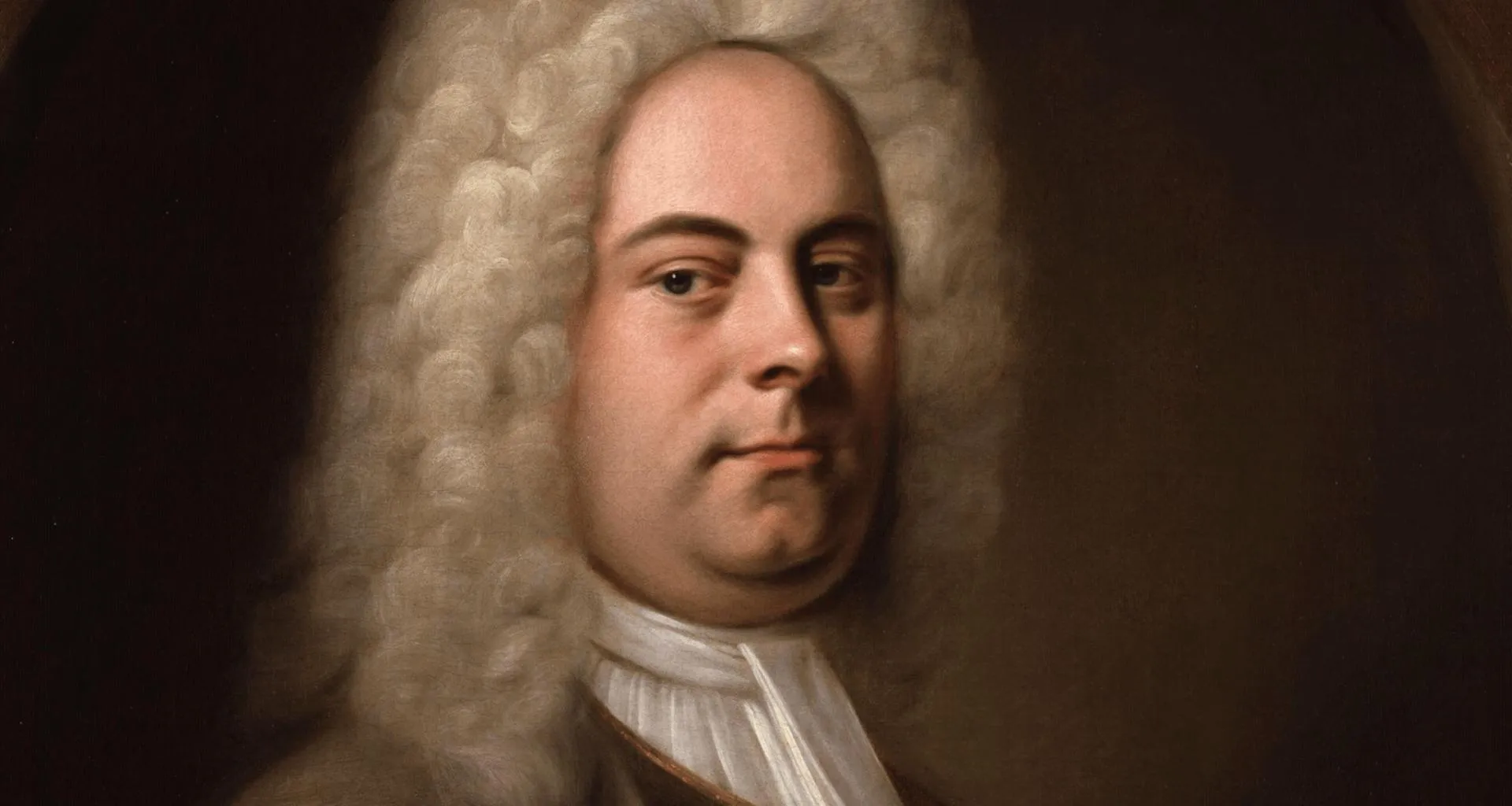
Partenope l Georg Friedrich Händel


La Fenice Orchestra & Choir
Conductor Giulio Prandi
Director Jacopo Spirei

La Fenice new staging

Venue
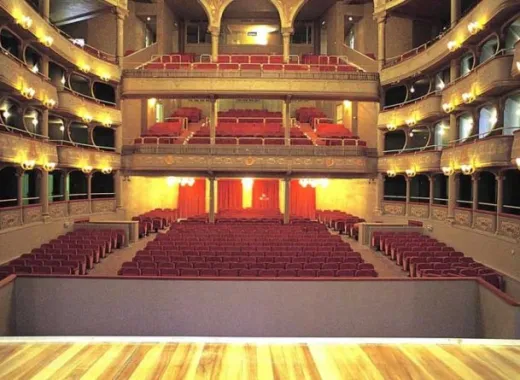
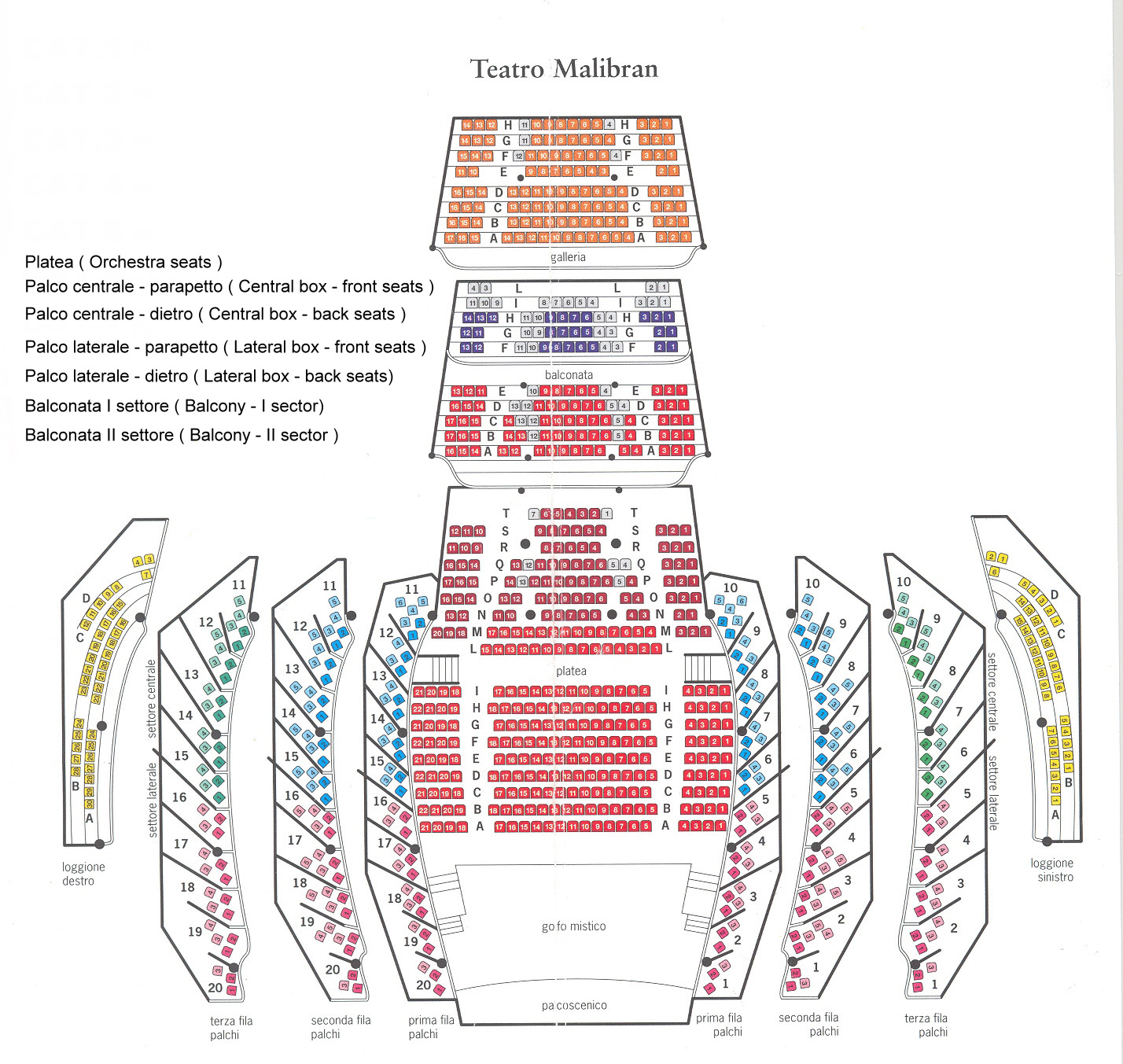
Teatro Malibran


The Teatro Malibran, known over its lifetime by a variety of names, beginning with the Teatro San Giovanni Grisostomo(or Crisostomo) after the nearby church, is an opera house in Venice which was inaugurated in 1678 with a production of the premiere of Carlo Pallavicino's opera Vespasiano. By 1683, it had quickly become known as "the biggest, most beautiful and richest theatre in the city" and its operatic importance throughout the 17th and 18th centuries led to an even grander description by 1730:
 

A true kingdom of marvels....that with the vastness of its magnificent dimension can be rightly compared to the splendours of ancient Rome and that with the grandeur of its more than regal dramatic performances has now conquered the applause and esteem of the whole world.
 

Richly decorated, the theatre consisted of five levels of thirty boxes and a large stalls area. However, as an opera house, its success was short-lived and from 1751 to 1800, opera was rarely performed there. Taken over by the municipality in 1797, it became the Teatro Civico until purchased by a partnership and restored in 1819. It re-opened again, this time in private hands, with Rossini's La gazza ladra. But deterioration continued, the partnership broke up, and the remaining partner, Giovanni Gallo, continued with additional refurbishment, giving it the new name of the Teatro Emeronitto (Theatre of Day and Night) and inaugurating it in December 1834 with Donizetti's L'elisir d'amore.
 

When the famous soprano Maria Malibran came to sing Vincenzo Bellini's La sonnambula on 8 April 1835, she was clearly appalled at the condition of the theatre since Lynn reports that "she refused her fee, telling the impresario to 'use it for the theatre' ". At that point the opera house became the Teatro Malibran in the singer's honour and it is the name by which the theatre has been known ever since.
 

Transport
 

Vaporetto  

From Tronchetto: line 2 toward Rialto bridge, St Mark and Lido  

From Piazzale Roma and the Santa Lucia train station: line 1 or line 2 toward Rialto bridge, St Mark and Lido  

Stops: take line 1 to Rialto bridge, St Angel, St Samuel or St Mark Marco (Vallaresso); or Take line 2 to Rialto or St Mark (Vallaresso)    

Alilaguna public transportation service from the Marco Polo airport - take the orange line to Rialto bridge or the blue line to St Mark (Vallaresso)

Accomodation

Buy now

Gift vouchers

Gift someone an unforgettable night at the opera.
Choose a gift coupon and let them pick the performance they love—music, drama, and world-class artistry, all in one elegant experience.
Venezia Opera Tickets
Facebook Instagram
Payment
© 2026 RM Europa Ticket GmbH
Whatsapp